

By Habib Ur Rehman
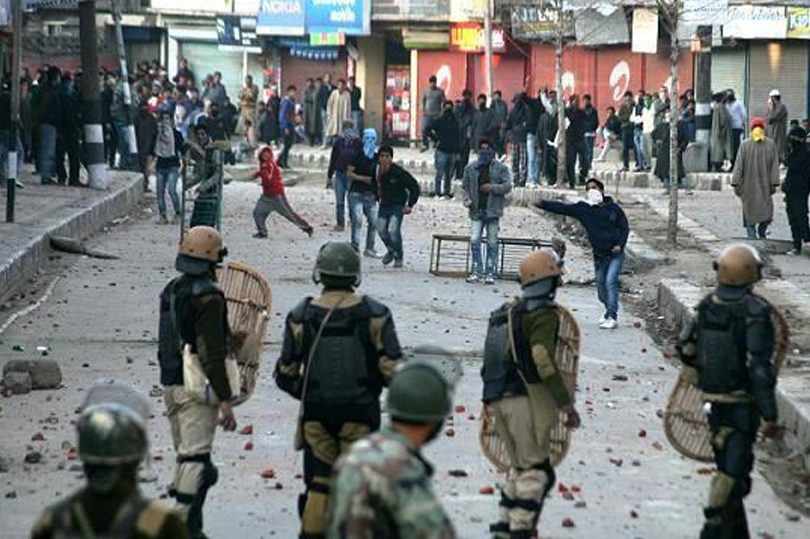
It is difficult to understand how, decades into the twenty-first century, the people of Indian Illegally Occupied Jammu and Kashmir (IIOJK) continue to endure systematic human rights violations while the world watches in muted silence. As Indian author, activist, and political essayist Arundhati Roy once remarked, “These days in Kashmir, you can be killed for surviving.” UN experts have raised the alarm over “serious human rights violations” in IIOJK by the government of India in the aftermath of a terror attack in Pahalgam in April this year, for which Delhi blamed Islamabad without any evidence. A press release issued by Pakistan’s Ministry of Foreign Affairs on 26 November noted with grave concern the latest findings by the United Nations Special Procedures experts regarding India’s illegal measures in IIOJK, underscoring the persistent pattern of repression and abuse. Armed forces patrol streets with impunity, and laws designed to protect citizens are instead used to justify arbitrary detentions and harassment.
The Armed Forces Special Powers Act (AFSPA) grants Indian security personnel sweeping powers and immunity from prosecution, while the Public Safety Act (PSA) and the Unlawful Activities (Prevention) Act (UAPA) allow prolonged detention without trial and vague anti-terrorism charges, effectively enabling the state to act above the law. Extrajudicial killings disguised as encounters, enforced disappearances, and custodial torture are not anomalies but the predictable outcomes of this deeply militarized legal and operational framework. Following the April 22, 2025 terrorist attack in Pahalgam, nearly 2,800 individuals, including journalists, human rights defenders, and students, were detained under these laws. Many were tortured, held incommunicado, denied access to family or legal counsel, and subjected to punitive demolitions and forced evictions, demonstrating a pattern of collective punishment that violates both domestic and international law.
For decades, the Armed Forces Special Powers Act has shielded occupation forces from accountability, enabling widespread extrajudicial killings, arbitrary arrests, and intimidation across IIOJK. Thousands of Kashmiris have disappeared without trace, with mass graves discovered across multiple districts, yet the lack of meaningful domestic investigation ensures that perpetrators act with complete impunity. Torture has been employed as a deliberate tool to extract confessions, intimidate communities, and suppress resistance, with victims reporting beatings, electrocution, waterboarding, and sexual violence. Women in particular have suffered sexual abuse during search operations, a strategy that constitutes both a war crime and a grave violation of the Convention on the Elimination of All Forms of Discrimination against Women.
The revocation of Article 370 and Article 35A in 2019 further intensified repression, as journalists, activists, and political leaders were detained under PSA and UAPA, while prolonged communication blackouts and social media restrictions silenced dissenting voices. International observers have condemned these measures, noting that they not only violate civil and political rights but also deepen social divisions and grievances. Underlying these policies is an ideological framework, reinforced by ruling party narratives, that justifies militarization, marginalizes local populations, and targets minorities across India. Reports of harassment, expulsions, home demolitions, and discrimination against Muslims highlight a broader strategy of social engineering that undermines justice and fuels resentment.
India’s actions also constitute clear breaches of international law. By violating treaties such as the International Covenant on Civil and Political Rights, the Convention against Torture, and the Geneva Conventions, and by ignoring UN Security Council resolutions affirming Kashmiris’ right to self-determination, the state acts in defiance of globally recognized human rights norms. The impact extends beyond IIOJK itself, with students under surveillance in universities, minorities facing arbitrary expulsions, and widespread hate speech inflaming communal tensions. The international community is challenged to respond effectively, ensuring that human rights protections extend to all, including the most vulnerable populations under occupation.
As International Human Rights Day approaches, the situation in IIOJK underscores the urgent need for global attention and intervention. Arbitrary detentions, torture, sexual violence, media suppression, and demographic manipulation highlight a state-driven strategy that values ideological control over human dignity. How long will systematic violations continue without accountability? What concrete steps will the international community take to ensure justice for the Kashmiri people? And what moral responsibility do we bear to protect the fundamental rights of millions living under occupation?
This day should not merely be a symbolic observance; it must catalyse action, reflection, and advocacy. The struggle of the Kashmiri people is a test of global commitment to human rights. Without meaningful engagement, independent investigations, and accountability, the ideals celebrated on International Human Rights Day risk remaining aspirational rather than actionable, and history will continue to record the silence of the world in the face of enduring injustice.
The writer is a Research Associate at the Kashmir Institute of International Relations (KIIR) internship program and the founder of HEAL Pakistan, an initiative focused on education, empowerment, awareness, and leadership. He can be reached at habibmail.1947@gmail.com