

In the annals of Indian-occupied Jammu & Kashmir, January emerges as a period of deep anguish and solemn commemoration. This month serves as a stark reminder of a protracted conflict that has ravaged the region for decades, marked by systematic bloodshed, punitive collective actions, and lingering injustices. From the onset of the 1990s insurgency to recent times, January has repeatedly borne witness to horrific mass killings and egregious rights violations by state and non-state entities alike. These events have seared themselves into Kashmiri consciousness, amplifying demands for accountability, justice, and a definitive break from perpetual violence.
Sopore’s Day of Infamy (6 January 1993)
Northern Kashmir’s town of Sopore endured unimaginable horror on 6 January 1993 when Border Security Force (BSF) troops unleashed gunfire on unarmed residents, claiming at least 57 lives. The assault extended beyond bullets—security forces torched the commercial heart of the town, reducing livelihoods to ashes and displacing hundreds. Eyewitnesses describe how BSF members fired without discrimination at ordinary citizens, including minors and women, before systematically incinerating homes and businesses. The Sopore incident epitomizes collective retribution, where an entire populace suffered for suspected militant actions.
Wandhama’s Night of Terror (25 January 1998)
January 25, 1998, the village of Wandhama in Ganderbal district witnessed a horrific massacre, in which 23 Kashmiri Pandits were systematically killed. The attack, carried out by assailants were identified in military uniform, brutally targeted members of a community that had, in the early 1990s, refused to associate itself with a state-managed exodus from the valley. . While Indian agencies attributed the massacre to armed groups, to identify the inicident as communal and sectarian one, but the incident raised profound questions about the state’s capacity and commitment to protecting all its citizens.
Kupwara’s Protest Bloodbath (27 January 1994)
On 27 January 1994, Kupwara witnessed state violence at its deadliest when army units fired upon demonstrators opposing a local youth’s detention. The indiscriminate shooting cut down 27 civilians, many of them women and children. The Kupwara killings illustrate the security apparatus’s tendency toward disproportionate responses to civil dissent, resulting in catastrophic civilian casualties.
Handwara’s Two-Day Carnage (25–26 January 1990)
The twin days of 25–26 January 1990 marked Handwara as a killing field where over 50 civilians perished in a security forces’ onslaught. This massacre formed part of a wider wave of state-led violence during the insurgency’s formative phase, when authorities attempted to crush the emerging resistance through overwhelming force.
Gawkadal’s Bridge of Death (20 January 1990)
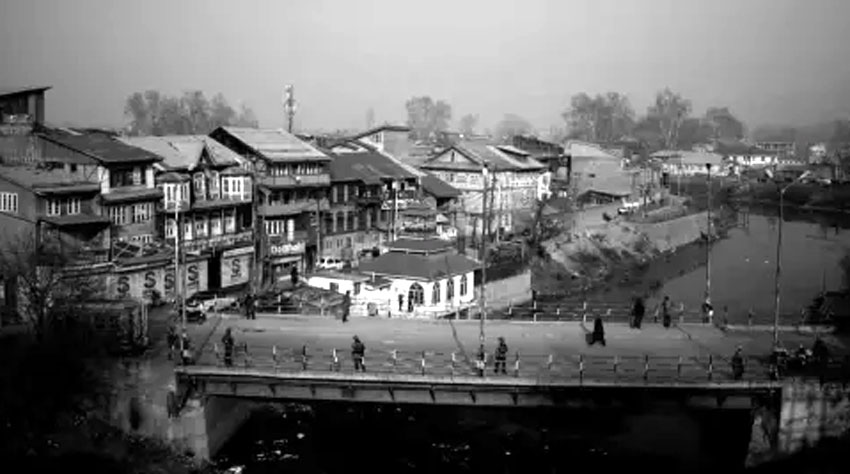
Srinagar’s Gawkadal locality became synonymous with state brutality on 20 January 1990 after CRPF personnel gunned down at least 52 protesters. The demonstration was among many challenging New Delhi’s Kashmir policies. Frequently cited as the conflict’s most devastating single massacre, Gawkadal symbolizes the ruthless suppression of peaceful civilian opposition.
Bijbehara’s Shrine Siege Aftermath (22 January 1994)
Two days after the Kupwara killings, Bijbehara suffered its own tragedy on 22 January 1994 when BSF forces shot dead 51 demonstrators. The protesters had gathered against the military cordon of Srinagar’s Hazratbal shrine. The Bijbehara massacre further demonstrated security forces’ pattern of lethal overreaction to unarmed civil protests.
Systematic Brutality and Collective Retaliation
These January atrocities form part of a systematic pattern rather than isolated tragedies. Security forces have frequently answered minor incidents with mass civilian killings, arson, and property demolition. The torching of entire settlements, as seen in Sopore, and the targeting of minority groups, as in Wandhama, reveal brutal counterinsurgency tactics. Peaceful demonstrations have consistently ended in mass deaths, evidenced by Gawkadal and Bijbehara, showing a disturbing disregard for unarmed civilian life and a persistent absence of consequence for perpetrators.
Enduring Impunity and Rights Abuses
Perhaps most disturbing is the entrenched culture of impunity surrounding these crimes. Those responsible for ordering and executing these massacres have almost never faced prosecution. This immunity has enabled widespread enforced disappearances, systematic torture, and staged gunfights, with thousands still unaccounted for. The unearthing of mass burial sites across multiple districts underscores the magnitude of atrocities. New Delhi has consistently rejected these documented abuses as “fabricated propaganda,” widening the chasm of distrust between Kashmiris and the Indian establishment.
Global Condemnation and Diplomatic Inaction
International bodies have repeatedly voiced alarm over Kashmir’s human rights crisis. The United Nations and Amnesty International have issued numerous condemnations and demands for accountability. Yet these appeals have largely been ignored, with India maintaining its stance of denial and rejecting external oversight.
Unhealed Wounds and the Road to Justice
The January massacres stand as enduring symbols of Kashmir’s unresolved trauma, where militarization continues to punish civilian populations. The cry for justice and truth remains unanswered, keeping historical wounds festering. As Kashmiris annually mourn these tragedies, global conscience cannot afford to look away. Sustainable peace demands truth-telling, judicial accountability, and definitive cessation of violence.
The narratives of Sopore, Wandhama, Kupwara, Handwara, Gawkadal, and Bijbehara must be preserved in historical memory. They testify to Kashmiri resilience while urging the international community to align with their quest for justice and human dignity.