

The world doesn’t orbit around just one superpower anymore. That era is fading, and in its place, we’re seeing a messier, fragmented, and multipolar landscape taking shape. You can feel this shift everywhere, especially when you look at security. The old certainties are gone, alliances come and go, threats keep changing, and most conflicts feel a lot more local now. This confusion probably shows up clearest in Western Asia.
Take the recent showdown with Iran, the US, and other players in the region. It put the spotlight back on just how shaky security really is in that part of the world. Geopolitical nerves are jangling, energy markets feel the shockwaves, and key shipping lanes aren’t as safe as they should be. There’s a real sense of unease about what all this means for the future.
But beyond all the headlines, a bigger question keeps coming up: Can the current regional security setup actually handle these sorts of crises anymore, or is it part of the chaos?
For ages, security in the Middle East leaned hard on an American-led system. Troops on the ground, alliances stitched together, and this attitude that if you showed enough muscle, things would stay calm. The main goals? Keeping oil moving, protecting trade at sea, making sure no one side got too strong, and keeping political friends in charge.
Sure, sometimes that plan kept the peace. But let’s be honest—it’s also tied itself to a string of flare-ups, Iran being just one example. The most recent crisis made something pretty clear: when you rely too much on outsiders to keep the peace, you’re leaving the whole setup vulnerable. Can you really count on this kind of framework to stop tensions from spilling over, or even limit the mess when they do?
People in the region are starting to wonder out loud if the current approach is just weighing them down instead of actually delivering stability. That’s why more and more, you hear serious talk about finding new ways, or at least mixing in different strategies, to keep the peace. The conversation is heating up, and the search for alternatives isn’t going away.
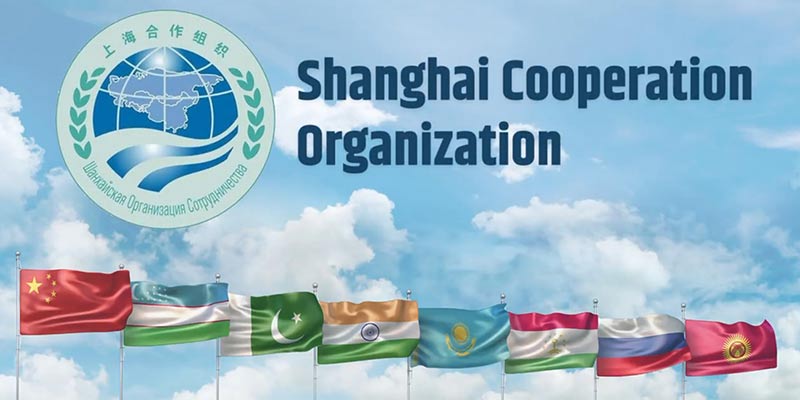
Principles like respecting sovereignty, not interfering, and treating all members equally have helped the organization build trust, even among countries that don’t always see eye to eye. But those same rules tie its hands when a crisis between states blows up. That really showed during the recent Iran situation.
Iran’s a full member, but the SCO barely moved beyond issuing statements. They urged restraint and talked about respecting sovereignty and political dialogue—nothing more. No real mediation happened. No special diplomatic steps, no united response. The organization stayed on the sidelines.
This whole episode was a wake-up call. It pushed everyone to realize that a crisis like this doesn’t just threaten regional stability—it’s a gut-check for what organizations like the SCO actually mean in practice.
Why is the SCO this big multilateral group is so far so limited? First, there’s a mess of internal divisions. Pakistan and India are at odds, China and India spar, and Iran’s rivalry with the Gulf States is heating up. So getting everyone to agree on strategy when things are tense.
Another problem: strategy isn’t locked down within the SCO. China and Russia run the show, but both have their own priorities, and sometimes they’re just not on the same page. So the SCO always defaults to slow, careful moves instead of bold action.
Then there’s non-interference—a principle that’s politically essential for lots of members. It sounds good, but it means the organization can’t really step in if things get messy between members, or with bigger players like the US.
There are just institutional gaps. The SCO doesn’t have strong enforcement tools, clear emergency protocols, or robust conflict-management systems. So, most of the time, it ends up talking things through, rather than actually doing something concrete.
You can’t just write off the SCO. Its real power isn’t about marching soldiers around, but about the room it gives countries to maneuver politically and strategically.
Let’s start with the basics: The SCO is one of the only places where big regional players including rivals can actually talk to each other. Even when two sides are butting heads, keeping those channels open matters. In a world where alliances are fraying and blocs are splitting, any space for dialogue is valuable. At the very least, it helps build a little trust, keeps people talking, and can even stop misunderstandings from getting out of hand.
There’s also something else going on. The SCO tells a different story about security, one that breaks with the West’s playbook. Instead of pushing interventions or formal alliances, it champions sovereignty, talks things out, and lets the region handle its own business. That approach goes down a lot smoother in places like Iran, where leaders care deeply about doing things their own way and not getting bossed around by outsiders.
The SCO’s influence goes beyond just hard power. It’s shaping debates about what makes a region secure, what gives legitimacy, and who gets to decide all that in Eurasia. In short, it’s getting people to imagine new possibilities.
The organization isn’t built to jump in the middle of every crisis, but it can help keep regional problems from spiraling. For example, if tensions with Iran dragged on, Afghanistan could get even more unstable, trade routes could suffer, Central Asian economies might feel the pinch, and security risks would spread. The SCO’s tools for fighting terrorism and working together mean it can take the edge off some of those threats.
The SCO isn’t replacing NATO or any other big security pact, and it’s not about to swoop in and resolve every blowup in the region. Its influence is limited, no doubt about it, but it’s wrong to call it irrelevant.
What it does offer is a real-world space for diplomacy, slow but steady cooperation, and trying out new ways to keep the peace. Plus, you can see in its work the bigger dream—a world where no one power writes all the rules. Still, the SCO’s got a lot of homework to do: it needs to get its members on the same page, build stronger systems, and figure out how to act fast when things go sideways.
The future of the SCO depends on whether its members can put aside their differences and turn it from a talking shop into something that actually matters, a strategic force, not just a symbol.
Right now, the SCO always shows up in regional security debates and gets people talking. But honestly, it’s not in a spot to make real change or take the lead just yet.