
• English
    • en_USEnglish (United States)
    • en_GBEnglish (UK)
28 °c
26 ° Tue
26 ° Wed
26 ° Thu
26 ° Fri
Thursday, November 26, 2026
Asiafreepress
  • Home
    • Latest
  • World
  • Asia
    • China
    • Pakistan
    • Afghanistan
    • India
    • Central Asia
  • News
  • Politics
  • Security
  • Law
  • Business
  • Review
    • Editorial
    • Analysis
    • Perspective
    • Literature
  • Science & Tech
  • Entertainment
    • Showbiz
    • Lifestyle
  • Sports
  • Multimedia
Breaking News
The Sanction That Never Comes: AFSPA and Sexual ViolenceThe River of Lost Reunions: The Tragedy of Irfan Hassan ShahThe Architecture of Erasure: From Accession to DismantlingBeyond the Headlines: The Intersection of Conflict and Gender-Based Violence in Indian-Occupied KashmirBeyond the Rhetoric: Restoring Dignity and the Right to Self-Determination in Kashmir
No Result
View All Result
  • Home
    • Latest
  • World
  • Asia
    • China
    • Pakistan
    • Afghanistan
    • India
    • Central Asia
  • News
  • Politics
  • Security
  • Law
  • Business
  • Review
    • Editorial
    • Analysis
    • Perspective
    • Literature
  • Science & Tech
  • Entertainment
    • Showbiz
    • Lifestyle
  • Sports
  • Multimedia
No Result
View All Result
Asiafreepress
No Result
View All Result
Home Review Analysis

The River of Lost Reunions: The Tragedy of Irfan Hassan Shah

Altaf Hussain Wani by Altaf Hussain Wani
2026/11/02
in Analysis
0
The River of Lost Reunions: The Tragedy of Irfan Hassan Shah
0
SHARES
5
VIEWS

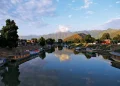
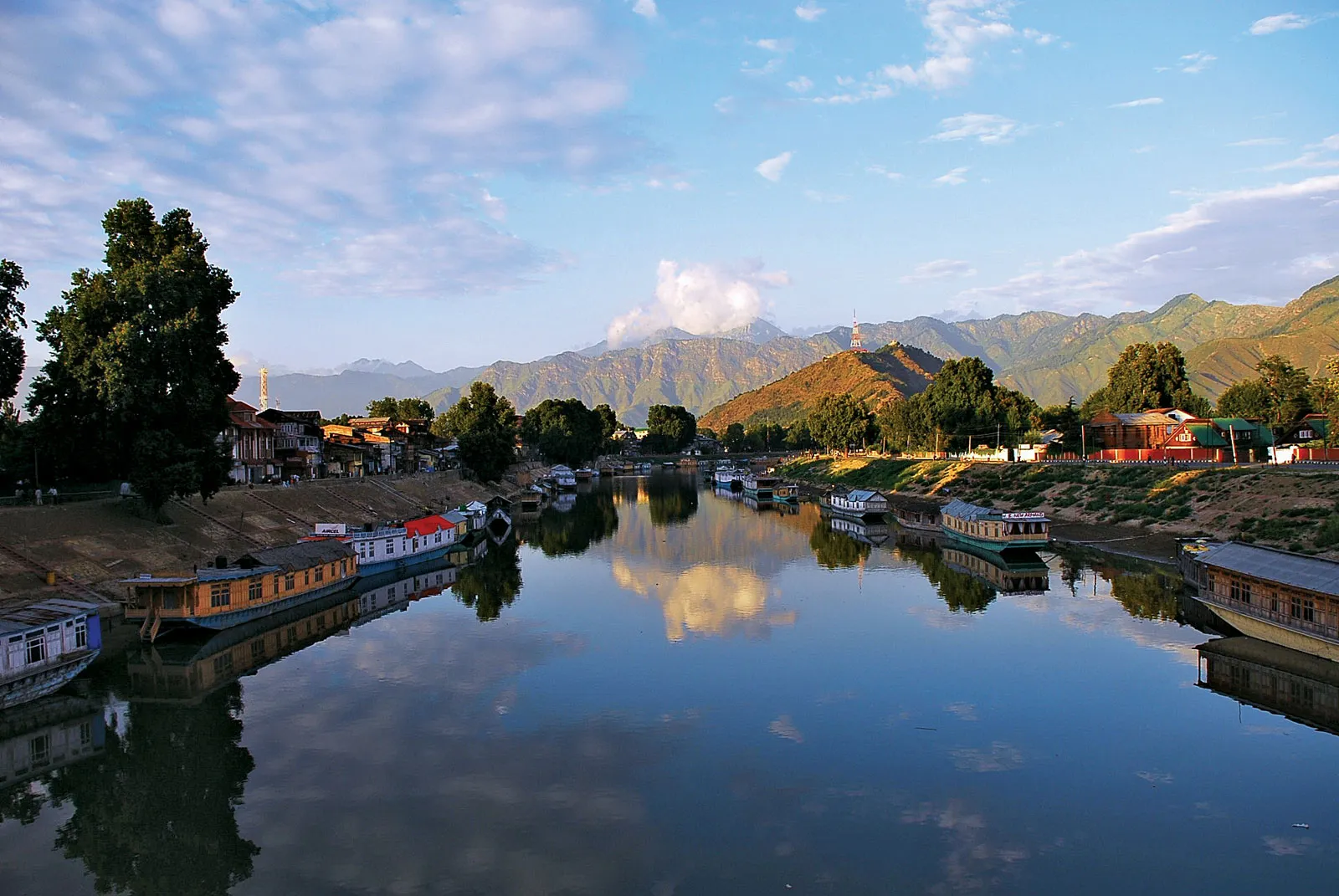
The Neelum River does not just carry water; it carries the weight of a million shattered dreams and the ghosts of divided families. Recently, its cold, churning currents swallowed another father, Irfan Hassan Shah. But to call this a “drowning” is to ignore the systemic slaughter of the human spirit. Irfan did not simply fall into a river; he was pushed into the abyss by a political line that has sliced through the hearts of Kashmiris for decades.

Irfan’s story is a microcosm of the Kashmiri tragedy—a cycle of hope, betrayal, and forced separation. In the mid-90s, he crossed into Azad Kashmir with the dream of freedom. He built a life in Muzaffarabad, married, and raised three children. But the cruelty of the “divide” is that it never lets you truly settle. In 2012, driven by the filial piety of an aging son, Irfan returned to his ancestral village in Rafiabad to serve his parents in Indian occupied Kashmir.

That act of love was rewarded with two years of detention and torture by Indian agencies. Yet, he persisted. He worked tirelessly to ensure his children had the education he ever dreamed of—one to be a lawyer, the other a doctor and the other one a computer engineer . He wanted to build a bridge of knowledge and success for his children, even while the physical bridge to his family remained guarded by guns.

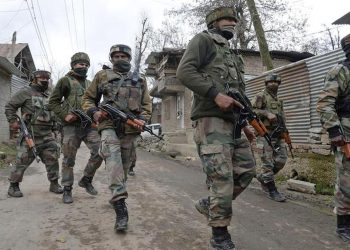
Then came the horror of May 2025. Under the guise of the Pahalgam incident, the Indian government unleashed a campaign of mass detentions and forced deportations. In a heartless stroke of administrative cruelty, families were ordered to return to Azad Kashmir. Wives were torn from husbands; children were ripped from their fathers’ arms. Irfan’s family was thrown back into the uncertainty of Muzaffarabad, leaving Irfan behind in a land where his very existence was viewed with suspicion.

Imagine the psychological torture of a man who cannot even call his children without risking a prison cell. Imagine the agony of a father who sees his children growing up through a telescope, knowing that the only thing separating him from them is a “Ceasefire Line” that acts as a wall of death.

The anxiety of the divided family is a slow-acting poison. It is the depression of knowing that your children are in a different world, and the only way to reach them is to gamble with your life. When the state denies a passport—turning a basic human right into a weapon of control—it leaves a desperate man with only one choice: the river.

Irfan chose the Keren sector. He didn’t see a border; he saw a path to his children. He didn’t see a ceasefire line; he saw a reunion. But the river, indifferent to human suffering, became his grave. His body was fished out by the disaster management team at Atmaqam—a reunion not of flesh and blood, but of a corpse and a grieving family.

Who is responsible for this death?

The blood is on the hands of those who maintain this artificial divide. It is on the Indian government that uses deportation as a weapon of war. It is on the “collaborators” who prioritize political optics over human lives. And it is on the United Nations, which continues to recite the script of “self-determination” and “human rights” while the world ignores the screams of Kashmiri families.

The UN Charter promises the right to family life, yet in Kashmir, the family is the first casualty of the conflict. When a family is torn apart in Europe, the world mourns. When a Kashmiri father drowns trying to hug his children, the world calls it a “security incident.”

Irfan Hassan Shah is gone, but his death leaves us with a haunting question: How many more fathers must the Neelum River swallow before the world realizes that a line drawn on a map should not be a line drawn through a human heart?

Until the “Line of Control” becomes a line of peace, the waters of the Neelum will continue to run red with the blood of those who only wanted to go united with their families and loved ones.

Previous Post

The Architecture of Erasure: From Accession to Dismantling

Next Post

The Sanction That Never Comes: AFSPA and Sexual Violence

Altaf Hussain Wani

Altaf Hussain Wani

Altaf Hussain Wani is chairman Kashmir Institute of International Relations (KIIR) and can be reached at saleeemwani@hotmail.com.

Next Post
The Sanction That Never Comes: AFSPA and Sexual Violence

The Sanction That Never Comes: AFSPA and Sexual Violence

Leave a Reply Cancel reply

Your email address will not be published. Required fields are marked *

Stay Connected test

  • Trending
  • Comments
  • Latest
Heroic Tale of a Pakistani SULTAN in 1971 War

Heroic Tale of a Pakistani SULTAN in 1971 War

December 1, 2021
Jammu Genocide: Forgotten human carnage of disputed region

Jammu Genocide: Forgotten human carnage of disputed region

November 6, 2021
Indian forces kill under trial inmate in staged encounter in Kashmir

Indian forces kill under trial inmate in staged encounter in Kashmir

October 26, 2021
Peace, development make way to Xinjiang. Experts reject US allegations of genocide in Xinjiang China

Peace, development make way to Xinjiang. Experts reject US allegations of genocide in Xinjiang China

November 26, 2021
Jammu Genocide: Forgotten human carnage of disputed region

Jammu Genocide: Forgotten human carnage of disputed region

4
Pakistan summons Indian diplomat over killing of Muslims  in Assam

Pakistan summons Indian diplomat over killing of Muslims in Assam

4
India’s senior army officer booked on rape charges

India’s senior army officer booked on rape charges

3
Peace, development make way to Xinjiang. Experts reject US allegations of genocide in Xinjiang China

Peace, development make way to Xinjiang. Experts reject US allegations of genocide in Xinjiang China

3
The Sanction That Never Comes: AFSPA and Sexual Violence

The Sanction That Never Comes: AFSPA and Sexual Violence

November 26, 2026
The River of Lost Reunions: The Tragedy of Irfan Hassan Shah

The River of Lost Reunions: The Tragedy of Irfan Hassan Shah

November 26, 2026
Kashmir After 2019: Why Global Attention Has Not Faded

The Architecture of Erasure: From Accession to Dismantling

November 23, 2026
Bigwigs behind Kashmir skullduggery

Beyond the Headlines: The Intersection of Conflict and Gender-Based Violence in Indian-Occupied Kashmir

November 23, 2026

Recent News

The Sanction That Never Comes: AFSPA and Sexual Violence

The Sanction That Never Comes: AFSPA and Sexual Violence

November 26, 2026
The River of Lost Reunions: The Tragedy of Irfan Hassan Shah

The River of Lost Reunions: The Tragedy of Irfan Hassan Shah

November 26, 2026
Kashmir After 2019: Why Global Attention Has Not Faded

The Architecture of Erasure: From Accession to Dismantling

November 23, 2026
Bigwigs behind Kashmir skullduggery

Beyond the Headlines: The Intersection of Conflict and Gender-Based Violence in Indian-Occupied Kashmir

November 23, 2026
Asiafreepress

Follow Asia Free Press (AFP) on Twitter, Facebook, Linkedin, Youtube and Instagram for the latest news from China, Pakistan, Afghanistan, India, Kashmir and across Asia.

Follow Us

Photo Gallery

Quick Links

  • Submission Guidelines
  • Privacy Policy
  • About Us
  • Contact Us

Stay in Touch

To be updated with all the latest news, offers, and special announcements.

No Result
View All Result
  • Home
    • Latest
  • World
  • Asia
    • China
    • Pakistan
    • Afghanistan
    • India
    • Central Asia
  • News
  • Politics
  • Security
  • Law
  • Business
  • Review
    • Editorial
    • Analysis
    • Perspective
    • Literature
  • Science & Tech
  • Entertainment
    • Showbiz
    • Lifestyle
  • Sports
  • Multimedia

en_USEnglish (United States)
en_GBEnglish (UK) en_USEnglish (United States)