
• English
    • en
    • en_GBEnglish (UK)
    • en_USEnglish (United States)
28 °c
26 ° Tue
26 ° Wed
26 ° Thu
26 ° Fri
Thursday, August 13, 2026
Asiafreepress
  • Home
    • Latest
  • World
  • Asia
    • China
    • Pakistan
    • Afghanistan
    • India
    • Central Asia
  • News
  • Politics
  • Security
  • Law
  • Business
  • Review
    • Editorial
    • Analysis
    • Perspective
    • Literature
  • Science & Tech
  • Entertainment
    • Showbiz
    • Lifestyle
  • Sports
  • Multimedia
Breaking News
The Architecture of Coercion: Independence Day as Collective Punishment in KashmirFrom Special Status to Security Laws: Human Rights Implications of the 2019 Abrogation in IIOK79 years resisting occupation and 7 years holding breathICC member states to vote on possible removal of prosecutor Karim KhanGeorgia launches sabotage investigation following nationwide blackouts
No Result
View All Result
  • Home
    • Latest
  • World
  • Asia
    • China
    • Pakistan
    • Afghanistan
    • India
    • Central Asia
  • News
  • Politics
  • Security
  • Law
  • Business
  • Review
    • Editorial
    • Analysis
    • Perspective
    • Literature
  • Science & Tech
  • Entertainment
    • Showbiz
    • Lifestyle
  • Sports
  • Multimedia
No Result
View All Result
Asiafreepress
No Result
View All Result
Home Review Analysis

The Architecture of Coercion: Independence Day as Collective Punishment in Kashmir

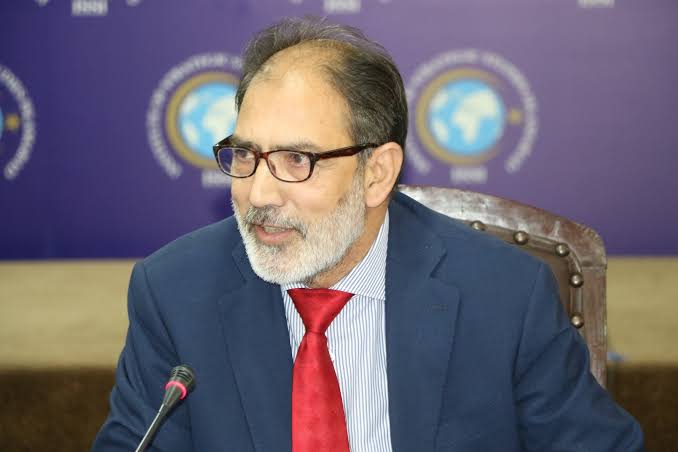
Altaf Hussain Wani by Altaf Hussain Wani
August 13, 2026
in Analysis
0
The Architecture of Coercion: Independence Day as Collective Punishment in Kashmir
0
SHARES
6
VIEWS

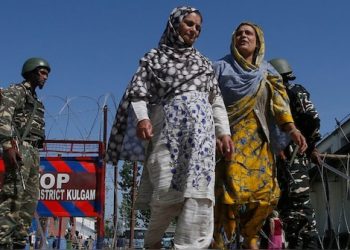
Every August 15th, the streets of Srinagar and the wider landscape of Indian-occupied Jammu and Kashmir undergo a ritualistic transformation. The city is not merely secured; it is besieged. From the multi-layered security grids surrounding Bakshi Stadium to the proliferation of drones, CCTV surveillance, and the omnipresent Cordon-and-Search Operations (CASOs), the machinery of the state is deployed with singular intensity. While New Delhi frames these measures as “security precautions” for Independence Day, a closer examination reveals a more sinister reality: the celebration of Indian sovereignty in Kashmir is used as a tool of collective punishment against the very people it claims to govern.

The paradox of celebrating “independence” in a territory where local  population views that administration as an illegal occupation is stark. When a state must deploy thousands of additional troops, restrict civilian movement, and subject pedestrians to invasive frisking just to hold a ceremony, it is an admission that its authority is not based on consent, but on coercion. The “security grid” is not merely protecting a venue; it is a physical manifestation of the divide between the occupier and the occupied.

For the average Kashmiri resident, August 15th does not bring a sense of national pride, but a heightened sense of dread. The intensification of surveillance—the “random” checking of vehicles and the sudden raids on homes—serves as a reminder that in this region, the presumption of innocence is nonexistent. The use of drones and high-tech monitoring transforms the city into an open-air prison, where the simple act of moving from one neighborhood to another becomes a gamble with one’s liberty.

This systemic harassment is not an accidental byproduct of security; it is a deliberate strategy of psychological warfare. By turning the territory into a fortress, the Indian state sends a clear message to the youth: your aspirations for self-determination are irrelevant, and your daily lives are subject to the whims of the military. The reports of thousands of arrests and the targeting of youth under the guise of “maintaining order” highlight a pattern of state terrorism designed to break the spirit of a generation.

The tragedy of this situation is amplified by the timing of these crackdowns. As the world observes International Youth Day, the youth of Kashmir—who should be dreaming of education and innovation—are instead facing the barrel of a gun or the cold walls of a detention center. The statistics are harrowing: thousands arrested and scores killed in a single year. When the state targets the youth so aggressively, it is not fighting “terrorism”; it is fighting the idea of freedom. It is attempting to excise the desire for a plebiscite by eliminating or incarcerating those most likely to demand it.

Furthermore, the repeal of Articles 370 and 35A in 2019 marked a transition from a contested administration to a total military siege. The current security measures surrounding Independence Day are a continuation of this policy of “integration through subjugation.” By erasing the special status of the region and replacing political dialogue with boots on the ground, India has opted for a strategy of attrition. The “collective punishment” lies in the fact that the entire population is held hostage to the security anxieties of the state. Every checkpoint and every CASO is a reminder that the Kashmiri body is a site of state control.

The international community, particularly the western powers who keep on championing rule of law and human rights, remain  largely silent while the “black laws” of the Indian state grant unbridled power to security forces. This silence is complicit. When human rights violations are normalized under the banner of “national security,” the concept of international law becomes a hollow shell. The world must recognize that a celebration of independence that requires the silencing of millions is not a celebration of liberty, but a pageant of power.

Ultimately, the heavy deployment of forces and the restriction of civilian life in the lead-up to August 15th serve as a mirror to the Indian state’s failure in Kashmir. True sovereignty is derived from the will of the people. When a state must use “Kamikaze” drones and mass arrests to ensure a flag can be hoisted in peace, it proves that the flag has no roots in the soil it claims to cover.

The people of Jammu and Kashmir have shown a resilient determination to seek their birthright of self-determination. No amount of militarization can erase the sentiment for freedom. As long as Independence Day is used as a pretext for collective punishment and the suppression of fundamental rights, it will remain a symbol of alienation rather than unity. The path to peace does not lie in more checkpoints or more drones, but in the courage to acknowledge the Kashmiri demand for a plebiscite and the restoration of human dignity to a besieged people.


Previous Post

From Special Status to Security Laws: Human Rights Implications of the 2019 Abrogation in IIOK

Altaf Hussain Wani

Altaf Hussain Wani

Altaf Hussain Wani is chairman Kashmir Institute of International Relations (KIIR) and can be reached at saleeemwani@hotmail.com.

Leave a Reply Cancel reply

Your email address will not be published. Required fields are marked *

Stay Connected test

  • Trending
  • Comments
  • Latest
Heroic Tale of a Pakistani SULTAN in 1971 War

Heroic Tale of a Pakistani SULTAN in 1971 War

December 1, 2021
Jammu Genocide: Forgotten human carnage of disputed region

Jammu Genocide: Forgotten human carnage of disputed region

November 6, 2021
Indian forces kill under trial inmate in staged encounter in Kashmir

Indian forces kill under trial inmate in staged encounter in Kashmir

October 26, 2021
Peace, development make way to Xinjiang. Experts reject US allegations of genocide in Xinjiang China

Peace, development make way to Xinjiang. Experts reject US allegations of genocide in Xinjiang China

November 26, 2021
Jammu Genocide: Forgotten human carnage of disputed region

Jammu Genocide: Forgotten human carnage of disputed region

4
Pakistan summons Indian diplomat over killing of Muslims  in Assam

Pakistan summons Indian diplomat over killing of Muslims in Assam

4
India’s senior army officer booked on rape charges

India’s senior army officer booked on rape charges

3
Peace, development make way to Xinjiang. Experts reject US allegations of genocide in Xinjiang China

Peace, development make way to Xinjiang. Experts reject US allegations of genocide in Xinjiang China

3
The Architecture of Coercion: Independence Day as Collective Punishment in Kashmir

The Architecture of Coercion: Independence Day as Collective Punishment in Kashmir

August 13, 2026
From Special Status to Security Laws: Human Rights Implications of the 2019 Abrogation in IIOK

From Special Status to Security Laws: Human Rights Implications of the 2019 Abrogation in IIOK

August 7, 2026
Wani concerned over ongoing land acquisition, environmental destruction, and human rights violations in IoK

79 years resisting occupation and 7 years holding breath

August 1, 2026
ICC member states to vote on possible removal of prosecutor Karim Khan

ICC member states to vote on possible removal of prosecutor Karim Khan

July 26, 2026

Recent News

The Architecture of Coercion: Independence Day as Collective Punishment in Kashmir

The Architecture of Coercion: Independence Day as Collective Punishment in Kashmir

August 13, 2026
From Special Status to Security Laws: Human Rights Implications of the 2019 Abrogation in IIOK

From Special Status to Security Laws: Human Rights Implications of the 2019 Abrogation in IIOK

August 7, 2026
Wani concerned over ongoing land acquisition, environmental destruction, and human rights violations in IoK

79 years resisting occupation and 7 years holding breath

August 1, 2026
ICC member states to vote on possible removal of prosecutor Karim Khan

ICC member states to vote on possible removal of prosecutor Karim Khan

July 26, 2026
Asiafreepress

Follow Asia Free Press (AFP) on Twitter, Facebook, Linkedin, Youtube and Instagram for the latest news from China, Pakistan, Afghanistan, India, Kashmir and across Asia.

Follow Us

Photo Gallery

Quick Links

  • Submission Guidelines
  • Privacy Policy
  • About Us
  • Contact Us

Stay in Touch

To be updated with all the latest news, offers, and special announcements.

No Result
View All Result
  • Home
    • Latest
  • World
  • Asia
    • China
    • Pakistan
    • Afghanistan
    • India
    • Central Asia
  • News
  • Politics
  • Security
  • Law
  • Business
  • Review
    • Editorial
    • Analysis
    • Perspective
    • Literature
  • Science & Tech
  • Entertainment
    • Showbiz
    • Lifestyle
  • Sports
  • Multimedia

en_USEnglish (United States) en_GBEnglish (UK)