
• English
    • en
    • en_GBEnglish (UK)
    • en_USEnglish (United States)
28 °c
26 ° Tue
26 ° Wed
26 ° Thu
26 ° Fri
Monday, February 23, 2026
Asiafreepress
  • Home
    • Latest
  • World
  • Asia
    • China
    • Pakistan
    • Afghanistan
    • India
    • Central Asia
  • News
  • Politics
  • Security
  • Law
  • Business
  • Review
    • Editorial
    • Analysis
    • Perspective
    • Literature
  • Science & Tech
  • Entertainment
    • Showbiz
    • Lifestyle
  • Sports
  • Multimedia
Breaking News
Why Kunan Poshpora Must Be RememberedBalancing Populations in Kashmir Valley: Is Another Gaza in the Making?Weaponizing Water: India’s Suspension of the Indus Waters Treaty Threatens Millions and Violates International LawWhen Deterrence Became Diplomacy: May 2025 and the Kashmir QuestionGreat Power Competition and the Strategic Unsettling of Jammu & Kashmir
No Result
View All Result
  • Home
    • Latest
  • World
  • Asia
    • China
    • Pakistan
    • Afghanistan
    • India
    • Central Asia
  • News
  • Politics
  • Security
  • Law
  • Business
  • Review
    • Editorial
    • Analysis
    • Perspective
    • Literature
  • Science & Tech
  • Entertainment
    • Showbiz
    • Lifestyle
  • Sports
  • Multimedia
No Result
View All Result
Asiafreepress
No Result
View All Result
Home Blog

Why Kunan Poshpora Must Be Remembered

Usama Imtiaz by Usama Imtiaz
February 23, 2026
in Blog
0
Why Kunan Poshpora Must Be Remembered
0
SHARES
14
VIEWS

Every February, the people of Indian Illegally Occupied Jammu and Kashmir (IIOJK) remember what the occupying state wants them to forget: Kunan Poshpora.

There’s something deliberate about this remembrance. In IIOJK, where power works overtime to bury the truth, memory is one of the few tools left. Remembering Kunan Poshpora means insisting that what happened on the night of 23-24 February 1991 won’t just disappear, no matter how hard the occupying state tries to make it.

That night, occupation forces ran a cordon-and-search operation in Kunan and Poshpora, two remote villages in Kupwara district. The operation involved 125 soldiers from the 4 Rajputana Rifles regiment. By morning, more than thirty women had been gang-raped. Men had been dragged from their homes and tortured. A child was thrown from a window into the snow. A woman nine months pregnant was raped; her child, born days later, had a fractured arm attributed to manhandling by soldiers.

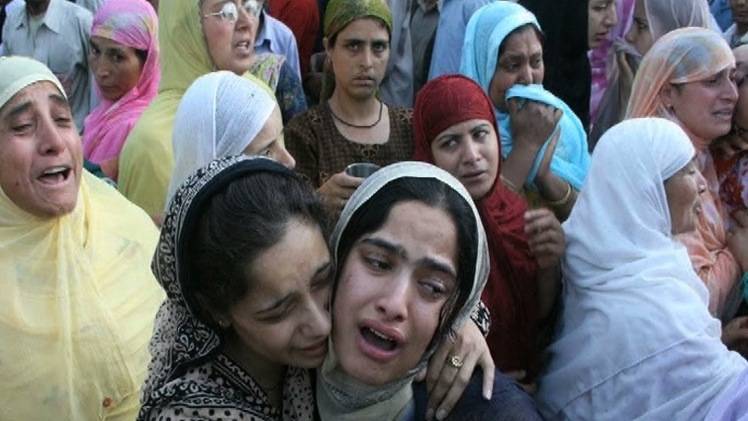
The survivors didn’t stay silent. They wrote a complaint signed by more than 30 villagers. They gave testimonies to police, medical examiners, human rights investigators. Medical examinations confirmed sexual assault. The State Human Rights Commission formally confirmed in 2011 that at least 36 women had been raped by occupation forces. The evidence was there. The names were there.

More than three decades later, not a single soldier has been charged.

The Armed Forces Special Powers Act, imposed on IIOJK since 1990, makes it illegal to prosecute military personnel without approval from the occupying state. For decades, that approval never came. Not once. The law itself makes sure soldiers operate above accountability.

So, the pattern played out exactly as expected. An internal army inquiry dismissed the charges as baseless. A government inquiry doubted survivors’ credibility. A Press Council report called it a hoax. The police closed the case as untraced in 1991. The formal closure wasn’t filed until 2013, twenty-two years later.

Case disappeared. Evidence buried. Survivors discredited. Soldiers walked.

But here’s the thing about memory. It doesn’t take orders. The survivors refused silence. They kept speaking, kept testifying, kept demanding justice. Not because they thought the system would deliver. But because staying silent would mean erasing themselves.

In 2013, fifty women filed a Public Interest Litigation demanding reinvestigation. They were teachers, students, lawyers, journalists. Many born after 1991. One of them explained it plainly: “The petition wasn’t filed because justice was expected, but to make the occupation forces answerable. The struggle is about developing a culture of resistance where impunity will be questioned.”

That’s what remembering does. It rejects the occupying state’s version of events. It’s naming the crime for what it was: mass rape as a weapon of war, sexual violence deployed to terrorize an occupied population.

Impunity needs erasure. It needs people to forget, move on, stop asking questions, accept whatever story they’re told. When a crime is remembered, when evidence is cited, impunity becomes harder to sustain.

That’s why occupying states spend so much energy controlling memory. The goal isn’t just avoiding accountability now. The goal is ensuring future generations forget, so the same crimes can happen again.

For the survivors, remembering became the only justice available. Several have died without seeing a single soldier prosecuted. But they died having refused to be silenced, having passed their memories to the next generation. At a press conference in Srinagar, one survivor put it this way: “The occupation forces snatched our honour. Our people were attacked for the same reason they martyr our youth. But the women of Kunan Poshpora feel stigmatized. This was also a sacrifice. No one feels proud of it.”

The young women who filed that PIL understood something important. This sacrifice deserved honoring. This memory deserved carrying forward.

Kunan Poshpora has to be remembered because forgetting only helps the people who committed the crime. It keeps impunity structures intact. Allows the same crimes to repeat. Forgetting is what the occupying state wants. Remembering is what resistance looks like.

Previous Post

Balancing Populations in Kashmir Valley: Is Another Gaza in the Making?

Usama Imtiaz

Usama Imtiaz

The writer is Research Intern at Legal Forum for Kashmir. He covers politics, geopolitics, and international relations, providing nuanced analysis and insightful commentary on global issues.

Leave a Reply Cancel reply

Your email address will not be published. Required fields are marked *

Stay Connected test

  • Trending
  • Comments
  • Latest
Heroic Tale of a Pakistani SULTAN in 1971 War

Heroic Tale of a Pakistani SULTAN in 1971 War

December 1, 2021
Jammu Genocide: Forgotten human carnage of disputed region

Jammu Genocide: Forgotten human carnage of disputed region

November 6, 2021
Indian forces kill under trial inmate in staged encounter in Kashmir

Indian forces kill under trial inmate in staged encounter in Kashmir

October 26, 2021
Peace, development make way to Xinjiang. Experts reject US allegations of genocide in Xinjiang China

Peace, development make way to Xinjiang. Experts reject US allegations of genocide in Xinjiang China

November 26, 2021
Jammu Genocide: Forgotten human carnage of disputed region

Jammu Genocide: Forgotten human carnage of disputed region

4
Pakistan summons Indian diplomat over killing of Muslims  in Assam

Pakistan summons Indian diplomat over killing of Muslims in Assam

4
India’s senior army officer booked on rape charges

India’s senior army officer booked on rape charges

3
Peace, development make way to Xinjiang. Experts reject US allegations of genocide in Xinjiang China

Peace, development make way to Xinjiang. Experts reject US allegations of genocide in Xinjiang China

3
Why Kunan Poshpora Must Be Remembered

Why Kunan Poshpora Must Be Remembered

February 23, 2026
An Unseen Winter: The Deepening Chill of Oppression in Kashmir

Balancing Populations in Kashmir Valley: Is Another Gaza in the Making?

February 18, 2026
Weaponizing Water: India’s Suspension of the Indus Waters Treaty Threatens Millions and Violates International Law

Weaponizing Water: India’s Suspension of the Indus Waters Treaty Threatens Millions and Violates International Law

February 16, 2026
The Hollow Case for “Genocide” and the Dangerous Drive for Partition: How New Delhi Is Balkanising Kashmir

When Deterrence Became Diplomacy: May 2025 and the Kashmir Question

February 13, 2026

Recent News

Why Kunan Poshpora Must Be Remembered

Why Kunan Poshpora Must Be Remembered

February 23, 2026
An Unseen Winter: The Deepening Chill of Oppression in Kashmir

Balancing Populations in Kashmir Valley: Is Another Gaza in the Making?

February 18, 2026
Weaponizing Water: India’s Suspension of the Indus Waters Treaty Threatens Millions and Violates International Law

Weaponizing Water: India’s Suspension of the Indus Waters Treaty Threatens Millions and Violates International Law

February 16, 2026
The Hollow Case for “Genocide” and the Dangerous Drive for Partition: How New Delhi Is Balkanising Kashmir

When Deterrence Became Diplomacy: May 2025 and the Kashmir Question

February 13, 2026
Asiafreepress

Follow Asia Free Press (AFP) on Twitter, Facebook, Linkedin, Youtube and Instagram for the latest news from China, Pakistan, Afghanistan, India, Kashmir and across Asia.

Follow Us

Photo Gallery

Quick Links

  • Submission Guidelines
  • Privacy Policy
  • About Us
  • Contact Us

Stay in Touch

To be updated with all the latest news, offers, and special announcements.

No Result
View All Result
  • Home
    • Latest
  • World
  • Asia
    • China
    • Pakistan
    • Afghanistan
    • India
    • Central Asia
  • News
  • Politics
  • Security
  • Law
  • Business
  • Review
    • Editorial
    • Analysis
    • Perspective
    • Literature
  • Science & Tech
  • Entertainment
    • Showbiz
    • Lifestyle
  • Sports
  • Multimedia

en_USEnglish (United States) en_GBEnglish (UK)